Preterite vs imperfect: one question that settles it
By Tarek Sahyoun ·
The preterite and imperfect are two common simple past tenses in Spanish. Choosing between them helps show whether you're presenting a completed event or describing the background.
| Preterite | Imperfect | |
|---|---|---|
| Main idea | finished event | background, habit, ongoing |
| Typical words | ayer, anoche, una vez, de repente | siempre, a menudo, mientras, de niño |
| hablar (yo) | hablé | hablaba |
| comer (yo) | comí | comía |
| vivir (yo) | viví | vivía |
The question: does the action have a clear end?
If you're reporting something that happened and finished, as an event in the story, use the preterite. If you're describing the background, what was going on, or what used to happen, use the imperfect.
Ayer hablé con Ana.Yesterday I talked to Ana. (done, one event)
Hablaba con Ana todos los días.I used to talk to Ana every day. (habit)
Story and background together
Most real stories mix the two. The imperfect sets the scene; the preterite moves the story forward.
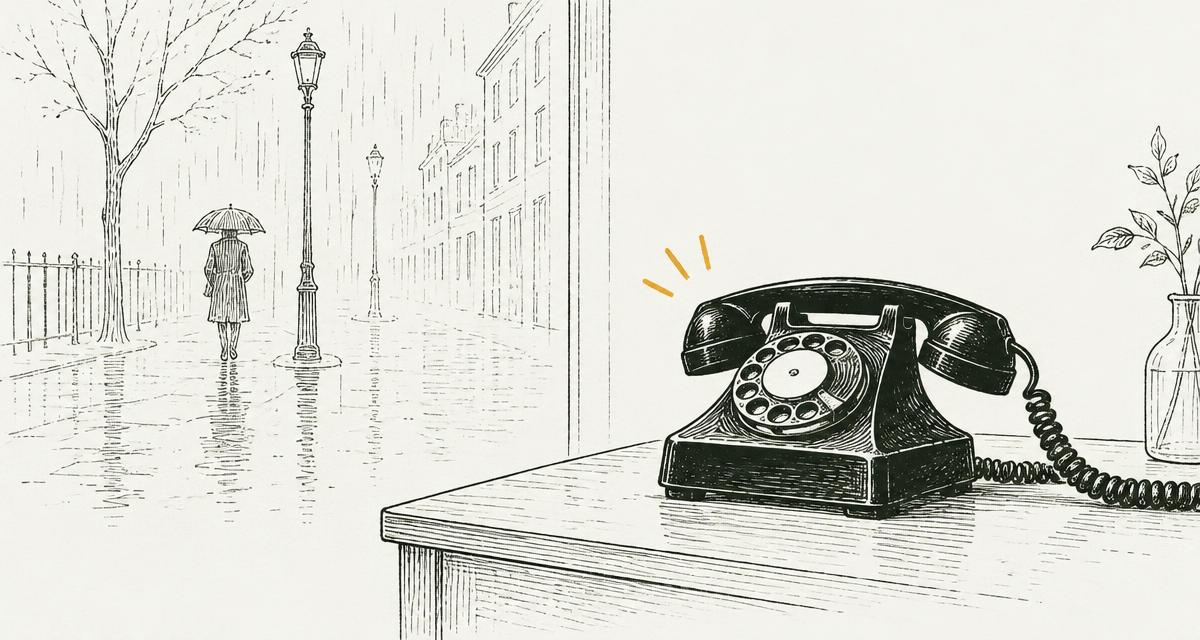
Era tarde y llovía cuando sonó el teléfono.It was late and it was raining when the phone rang.
Comíamos cuando llegaron.We were eating when they arrived.
The thing that fixed this for me was retelling my day out loud in Spanish on the walk home. Llovía, estaba cansado, y entonces vi a un amigo. After a few weeks, the background verbs and the "then something happened" verbs started sorting themselves.
Use the preterite for
- Single, completed actions: "Fui al cine."
- Actions with a stated length: "Viví dos años en Lima."
- A sequence of events: "Se levantó, comió y salió."
- The start or end of something: "Empezó a llover."
Use the imperfect for
- Habits and repeated actions: "De niño, iba a la playa."
- Descriptions of people, places, weather: "Hacía sol."
- Time and age in the past: "Eran las ocho. Tenía diez años."
- Actions in progress: "Leía un libro."
Verbs that change meaning
A few verbs shift meaning in the preterite. "Conocí a Luis" means I met Luis; "conocía a Luis" means I knew him. "Supe la verdad" means I found out; "sabía la verdad" means I knew it. "No pude abrirla" means I tried and failed.
Supe = "I found out" surprised me more than any other verb in Spanish.
Common mistake
Long doesn't mean imperfect. "Estuve tres horas en el médico" uses the preterite because the three hours are a closed block of time, even though they were long.
How to form them
The imperfect is the easiest tense in Spanish: -ar verbs take -aba, -abas, -aba, -ábamos, -abais, -aban, and -er/-ir verbs take -ía, -ías, -ía, -íamos, -íais, -ían. Only three verbs are irregular: ser (era), ir (iba) and ver (veía). The preterite has more irregular verbs, especially the common ones, so it's worth drilling them separately.
Signal words help, but don't decide
Words like ayer or de repente usually go with the preterite, and siempre or todos los días with the imperfect. But the meaning always wins. "Ayer llovía" is fine if you're describing what the weather was like while something else happened.
De repente se fue la luz.Suddenly the power went out.
Siempre veíamos la tele después de cenar.We always watched TV after dinner.
Mientras yo cocinaba, ella ponía la mesa.While I cooked, she set the table.
The movie test
Picture the past as a film. The imperfect is the camera showing the scene: the weather, the people, what they were doing. The preterite is the plot: each thing that happens next. If you could say "and then…" before it, it's probably the preterite.
Hacía frío. La gente esperaba el autobús. Entonces llegó un taxi y todos corrieron hacia él.It was cold. People were waiting for the bus. Then a taxi arrived and everyone ran towards it.
Telling your age and the time
Age and clock time in the past almost always take the imperfect, because they describe the situation: "Tenía veinte años cuando me mudé" (I was twenty when I moved). "Era la una" (it was one o'clock). Notice the preterite "me mudé" for the event itself.
Common mistakes
Cuando fui niño, jugué al fútbol.→ Cuando era niño, jugaba al fútbol.Childhood and habits are background, so both verbs take the imperfect.
Ayer estaba en el cine dos horas.→ Ayer estuve en el cine dos horas.A stated length of time closes the action: preterite.
Fue las diez.→ Eran las diez.Clock time in the past uses the imperfect, and "las diez" is plural.
Conocía a mi novia en 2020.→ Conocí a mi novia en 2020.Meeting someone for the first time is an event: preterite.
More examples
Ella leía mientras yo dormía.She was reading while I was sleeping.
Llamé tres veces, pero no contestaste.I called three times, but you didn't answer.
Antes trabajaba en un banco.I used to work in a bank.
El año pasado trabajé en un banco.Last year I worked in a bank.
Estaba cansado, así que me acosté temprano.I was tired, so I went to bed early.
Test yourself
- Cuando yo ___ (ser) niño, ___ (vivir) en Sevilla.
Show answer
era, vivía: description and background. - Anoche ___ (cenar, nosotros) en un restaurante nuevo.
Show answer
cenamos: one finished event. - ___ (llover) cuando salí de casa.
Show answer
Llovía: the background to the event. - Ayer ___ (ir, yo) al médico.
Show answer
fui: one completed action. - Mi abuelo siempre nos ___ (contar) historias.
Show answer
contaba: a repeated habit. - Mientras ___ (ducharse, yo), sonó el teléfono.
Show answer
me duchaba: the action in progress. - El sábado pasado ___ (ver, nosotros) una película.
Show answer
vimos: one finished event. - La casa ___ (tener) tres habitaciones.
Show answer
tenía: description.
Keep going
Verb tables: hablar, comer, ser, ir, tener
Tense lessons: Preterite, Imperfect
Practice the preterite